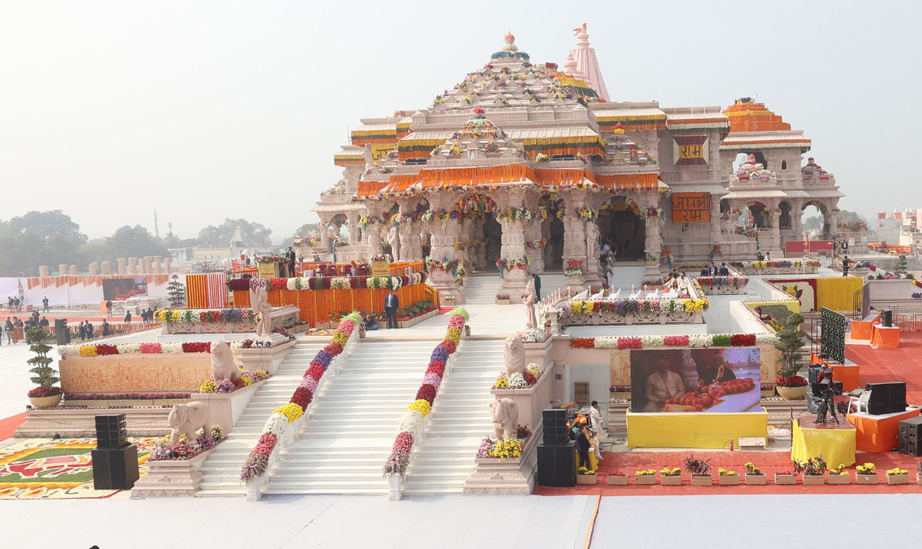
Ram Janmabhoomi Temple
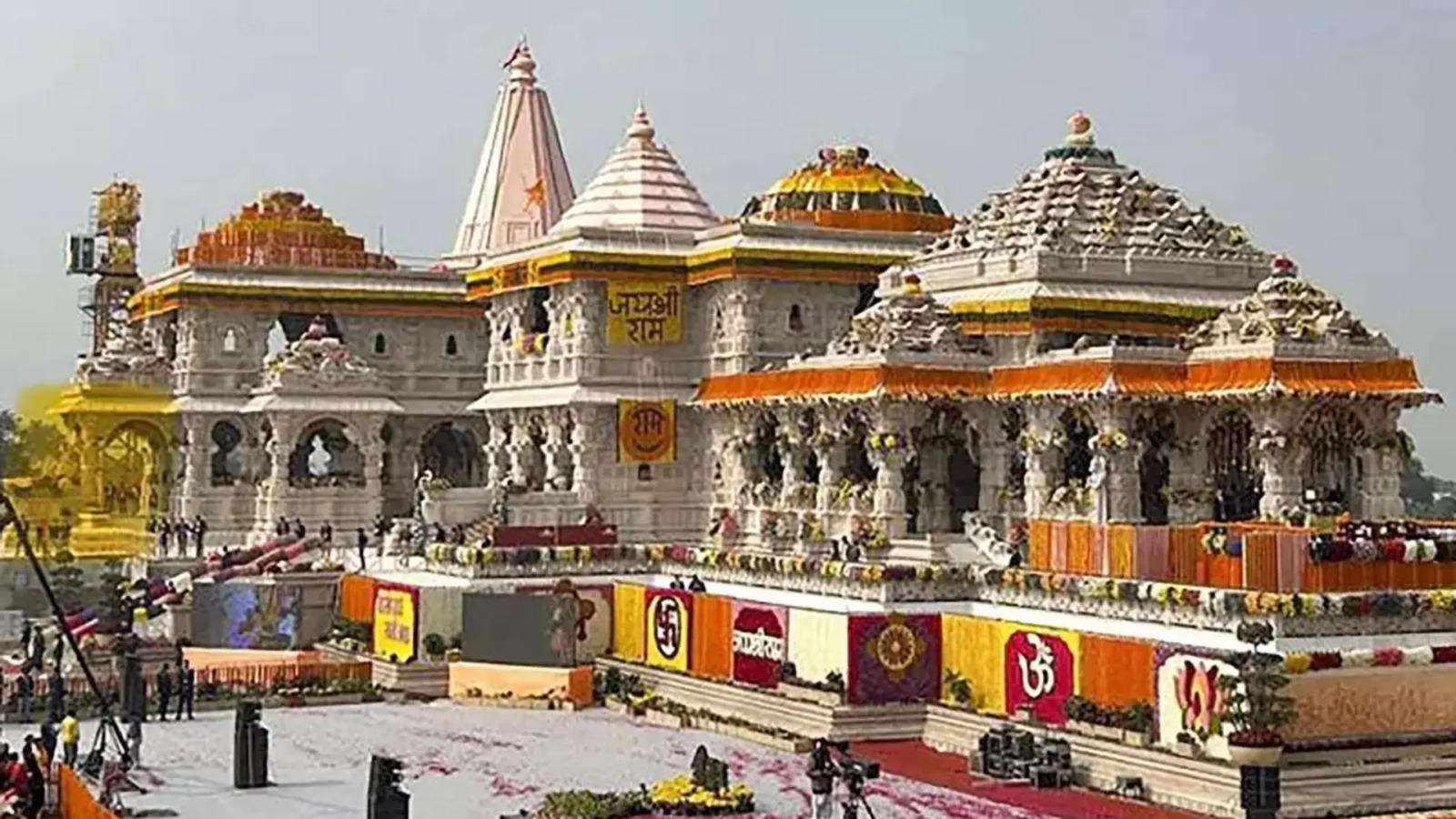
Standing on the exact birthplace of Lord Rama, the magnificent new Ram Mandir was consecrated on January 22, 2024 — a momentous day celebrated by millions across India and the world. Built in the Nagara architectural style using pink sandstone from Rajasthan's Bansi Paharpur, this 161-foot-tall temple is the crown jewel of Ayodhya. The idol of Bal Rama (child Ram) in the sanctum sanctorum is said to have been carved by a sculpt ure found in the Saryu riverbed. The complex also houses museums, pilgrimage facilitation centers, and elaborate gardens. Visiting at sunrise, when the first rays fall on the idol through precisely engineered openings in the temple dome, is an experience unlike any other.
History
The history of Ram Janmabhoomi spans millennia. Emperor Vikramaditya first built a grand temple here around 57 BCE. In 1528 CE, Babur's commander Mir Baqi demolished the temple and erected the Babri Masjid — igniting a dispute lasting nearly 500 years. Archaeological Survey of India excavations in 2003 confirmed Hindu temple remains beneath. On December 6, 1992, the Babri Masjid was demolished. In November 2019, India's Supreme Court delivered a landmark unanimous verdict awarding the site to Ram Lalla. On August 5, 2020, PM Modi performed Bhoomi Puja. On January 22, 2024, the magnificent temple was consecrated in a ceremony watched live by an estimated 500 million people. Built in Nagara style with Rajasthan's Bansi Paharpur pink sandstone, the 161-foot-tall temple is among India's grandest.
🙏 Religious Significance
According to the Valmiki Ramayana, Lord Vishnu incarnated as Ram at this exact spot in Treta Yuga to vanquish Ravana and restore Dharma. Devotees believe a single darshan here wipes away sins of seven lifetimes. The Bal Ram idol is considered self-manifested (swayambhu), discovered in the Saryu riverbed. On Ram Navami, a precisely engineered solar event called 'Surya Tilak' occurs — sunlight falls directly on the idol's forehead through optical arrangements. Ayodhya is the foremost of the seven sacred cities (Sapta Puri) where even dying grants Moksha. Ram's birthplace is believed to radiate divine energy 24 hours a day, making it one of the highest-energy spiritual sites on Earth.
Facilities Available
Do's & Don'ts
Do's
- •Wear traditional or modest clothing
- •Carry a valid government photo ID
- •Follow queue discipline — dedicated lanes for elderly/disabled
- •Mobile phones permitted outside temple only
- •Maintain silence inside the sanctum
Don'ts
- •No leather items (belt, purse, wallet) inside
- •No cameras or video inside main sanctum
- •No food or drinks inside
- •Do not use mobile inside sanctum sanctorum
- •Do not touch or try to climb the idol
Timings
07:00–19:00
Best
Early morning darshan
Distance
1.5 km from center